
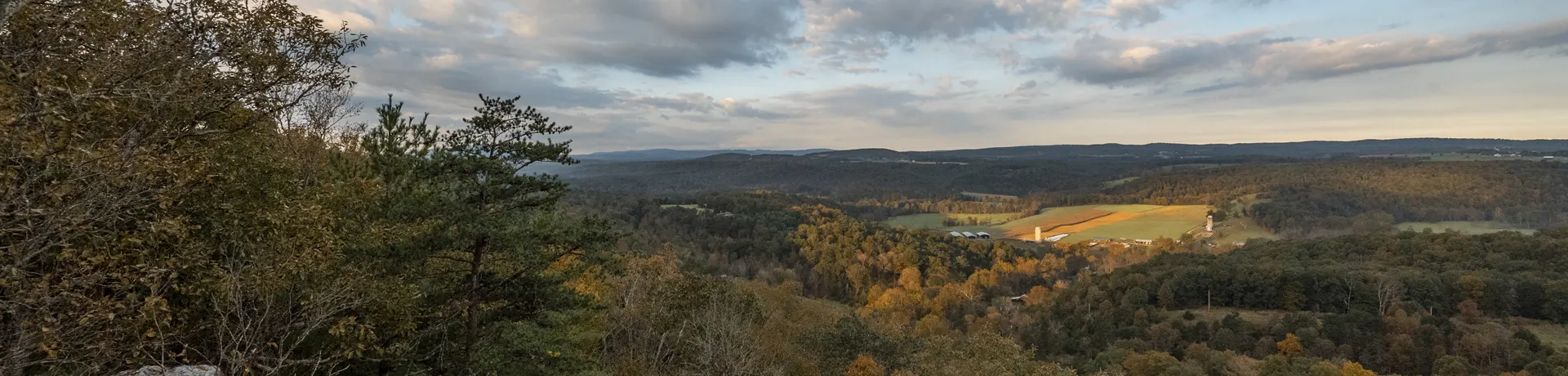
The Valley has a way of settling you. Its long views – fields stitched together with barns, woods, and homes – feel steady, almost timeless. That sense of calm doesn’t come from neglect or chance. It comes from people who pay close attention, year after year, and make choices that respect both the land they’re working today and the people who will work it tomorrow.
For families like the Rudolphs, farming has never been about shortcuts. Their approach is rooted in patience and continuity: every season builds on the last, and every decision carries consequences beyond the present moment. Few farm tasks show this more clearly than making hay.
From the outside, haymaking can look deceptively simple. But beneath the hum of tractors and the sweep of balers lies a constant process of judgment. Weather patterns, soil conditions, grass varieties, and moisture levels all matter – and they rarely line up perfectly. Knowing when to act means balancing data with experience, and precision with instinct.
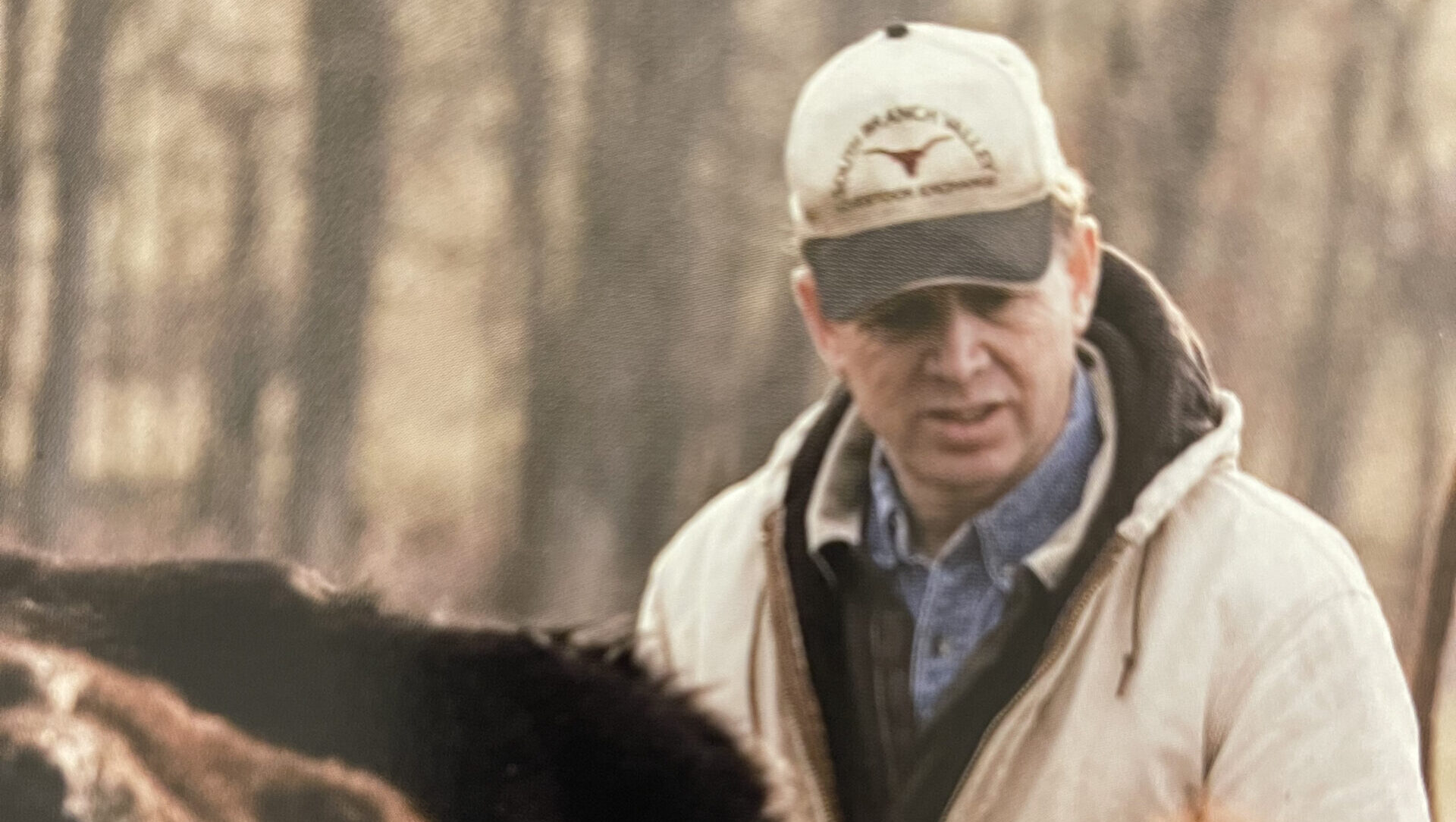
Mike Rudolph learned this balance the way many farmers do: by spending years alongside family, absorbing lessons that weren’t always spoken aloud. Over time, he came to understand how different grasses behave, how nutrients affect growth, and how small changes in timing can make a big difference in feed quality. The goal isn’t just to harvest hay – it’s to harvest it well.
His brother Jack spends the school year teaching, then shifts gears each summer to work the fields. Modern equipment has made the work faster and more efficient, but it hasn’t replaced the need for judgment. Technology can tell you numbers; it can’t tell you when the crop is ready. For that, farmers still walk the fields, bend down, and run the grass through their fingers. That tactile knowledge – learned slowly, often over decades – is what prevents losses, protects barns from fire risk, and ensures animals get the nutrition they need.
Efficiency on a farm also means resourcefulness. Hay is only one part of the equation. Silage – fermented corn or grass – allows farmers to get the most feed possible from each acre. Each method has its own rhythm, its own signals, its own feel. Understanding those differences is part of a larger mindset: nothing should be wasted, and everything has value if handled with care.
The land, in turn, gives back more than crops. It holds stories. The Rudolph family still talks about a winter evening long ago when their father walked miles through a blinding snowstorm to bring cattle home, relying on the instincts of the animals themselves to guide him through the dark. That journey became part of the family’s shared history – so meaningful that it’s now remembered each year with a gathering and a ride back to the Mountain Farm.
Across the property, moments like these are anchored to specific places: a ridge, an orchard, a porch. For their sister Becky, the farmhouse is inseparable from her parents’ presence – the work they shared, the meals that waited at the end of long days, and the life they shaped together. Driving up the lane is enough to bring it all back.
This is what long-term stewardship looks like. It’s not loud or flashy. It’s steady, thoughtful, and deeply personal. It lives in practiced hands, in stories told and retold, and in a commitment to leave the land better than it was found—so it can keep feeding both people and memory for generations to come.